
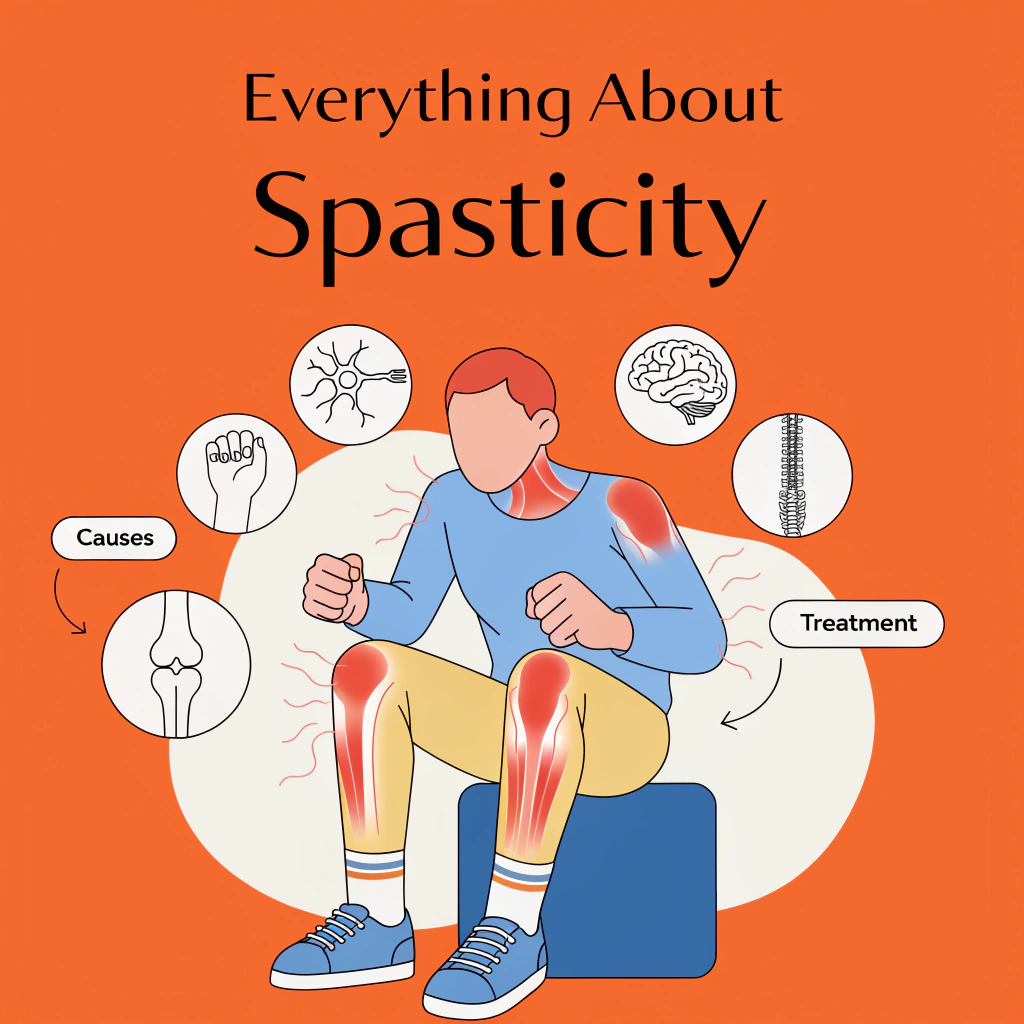
Spasticity refers to muscles becoming abnormally stiff and tight when the brain cannot control them properly. In medicine, we often encounter symptoms such as muscle stiffness, involuntary spasms, weak voluntary movement, reduced mobility, and abnormal gait. On investigation, we noticed that common causes of spasticity encompass stroke, cerebral palsy, multiple sclerosis, spinal cord injury, and brain trauma.
Managing this complex neurological issue requires a comprehensive and multidisciplinary clinical approach. The main treatments for spasticity range from physical and occupational therapy to botulinum toxin injections and, occasionally, surgical procedures. We often use oral medications like diazepam, baclofen, etc., when localized therapies are insufficient. Diazepam enhances the inhibitory effects of gamma-aminobutyric acid (GABA) in the central nervous system.
Thus, it reduces excessive muscle hyperactivity. In the UK, diazepam is a prescription-only medicine. So, patients can get it only after being prescribed by a registered practitioner.
What is Spasticity or Spastic Muscle Paralysis?
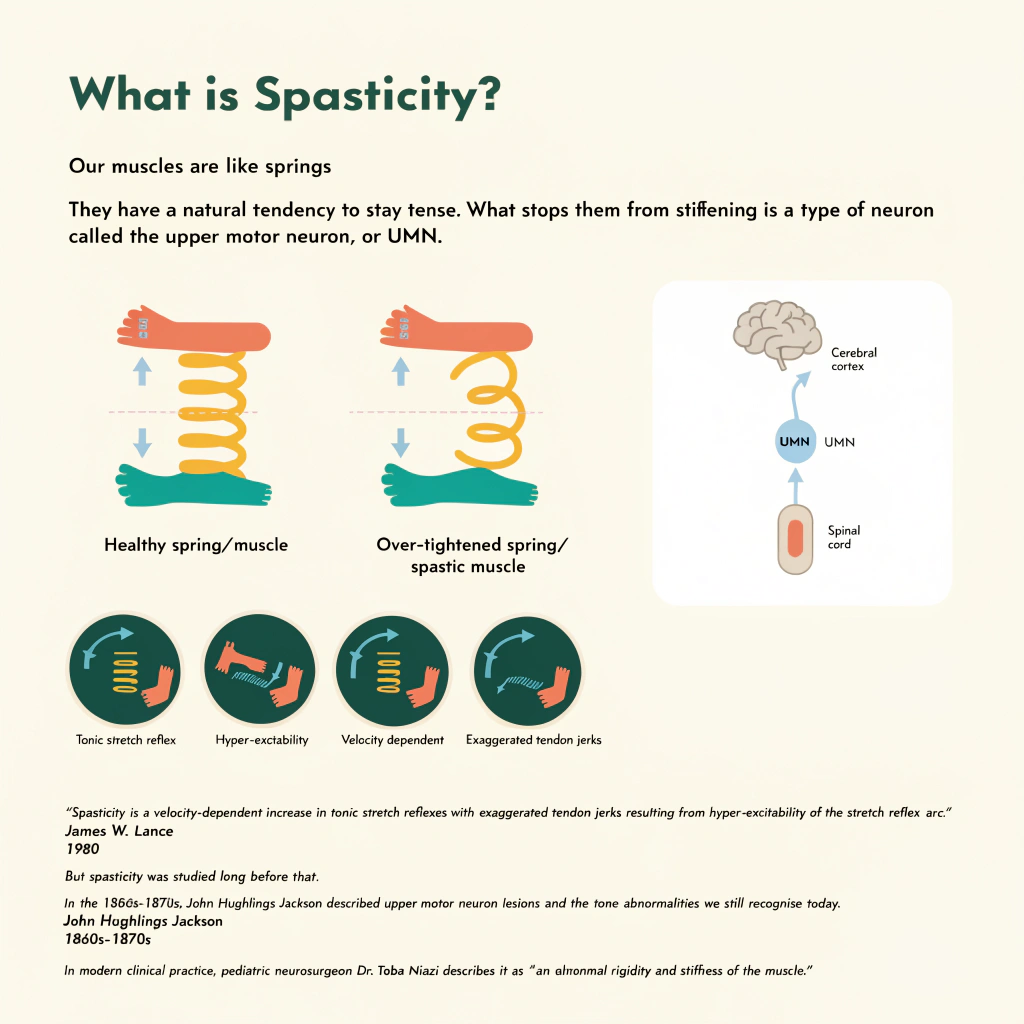
Spasticity is also known as spastic muscle paralysis, spastic muscular paresis, or spastic paresis, is basically a motor control disorder. James W. Lance defined spasticity as a velocity-dependent increase in tonic stretch reflexes with exaggerated tendon jerks caused by hyperexcitability. He introduced this widely accepted definition in 1980, although researchers had been studying spasticity for many years before then.
In the 1860s–1870s, John Hughlings Jackson described upper motor neuron lesions and the tone abnormalities we still recognise today. In modern clinical practice, pediatric neurosurgeon Dr. Toba Niazi describes it as “an abnormal rigidity and stiffness of the muscle.”
To understand this better, we can think of our muscles like springs. They naturally tend to stay tight. What stops them from stiffening is a type of neuron called the upper motor neuron, or UMN. This neuron originates in the cerebral cortex and travels down the spinal cord to innervate our muscles directly. Our brain and spinal cord continuously send signals through these UMNs to keep muscles relaxed. When these neurons are damaged, or their signals are interrupted, our muscles stiffen. This is spasticity.
While reviewing various clinical cases, we observed that spasticity is a direct manifestation of upper motor neuron syndrome. The most common causes of UMN damage include multiple sclerosis, cerebral palsy, and stroke. According to the National Institutes of Health, approximately 35% of stroke survivors and 65–78% of spinal cord injury patients develop muscle spasticity. Up to 80% of individuals with cerebral palsy or multiple sclerosis are also affected.
Upper motor neuron lesions can lead to two closely related conditions. Spastic muscle paralysis means a complete loss of voluntary muscle movement. It is often a muscle weakness rather than a full loss of movement. These conditions are not purely physical. Many patients also experience significant mental health difficulties. A considerable number meet the DSM-5 criteria for depression or anxiety disorders.
What is the History of Spasticity?
Though we are discussing spasticity in the modern era of medicine, its history started long ago, around the mid 19th century, with ancient medical observations noting unusual muscle rigidity and tightness in afflicted patients. However, our medical community’s early understanding remained largely superficial until a key milestone occurred with the 19th-century work of Dr. William John Little, who famously described cerebral palsy and spastic diplegia in profound clinical detail. He first described how central nervous system deficits manifest as rigid, unyielding limbs in pediatric populations.
As technology improved, medical advancements over time transformed our approach. It was formally redefined by James W. Lance in 1980 as a strictly velocity-dependent condition, which later played an important role in advanced surgical treatments like neurotomies and selective dorsal rhizotomy. The different types of spasticity throughout clinical history include localized limb rigidity to widespread and systemic neuromuscular impairment. They have fundamentally shaped the highly specialized therapies we utilize today.
What are The Symptoms of Spasticity?
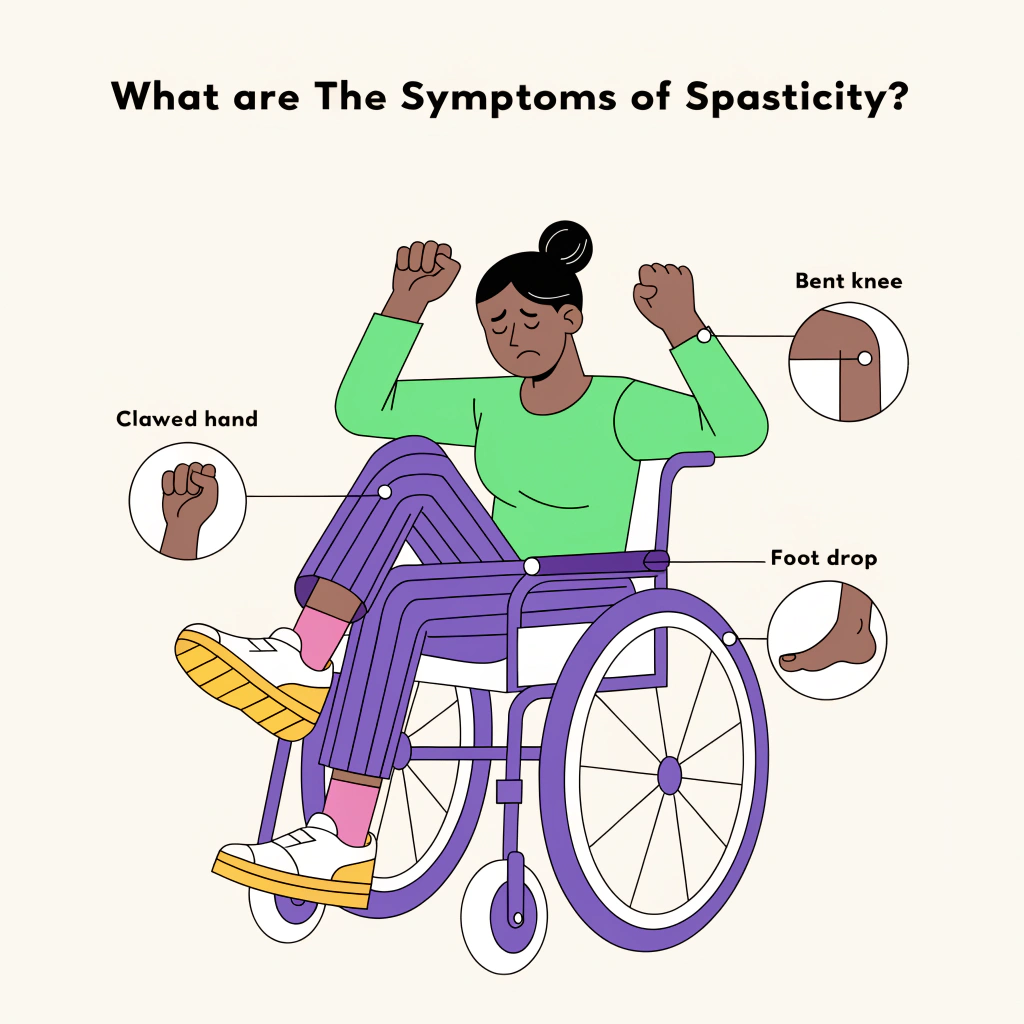
The symptoms of spasticity include a wide range of motor impairments that can significantly disrupt a patient’s daily activities. Early diagnosis of these symptoms helps us to intervene before irreversible joint contractures can fully develop.
The symptoms of spasticity are listed below:
- Muscle Stiffness: The underlying reason behind this continuous state of hypertonia is hyperactive spinal reflex arcs.
- Involuntary spasm: It occurs when the nerves that control muscles become overly sensitive, causing them to trigger uncontrollable muscle contractions.
- Weak Voluntary Movement: This condition arises when the nerve signals can’t stimulate adequate muscle fibers, this condition arises.
- Reduced Mobility: As all of the muscles are contracting at the same time due to hyperexcitability of the nerve signals, patients can’t move their limbs properly, as some muscles need to contract while others need to relax for normal mobility. As a result, mobility is reduced.
- Abnormal Walking Patterns: After prolonged exposure to spasticity, muscles become asymmetrically stiff, and permanent joint deformity is seen. These together cause abnormal walking patterns.
Based on our review of the literature, we found that the effects of spasticity extend far beyond muscle stiffness. Studies by Francisco and McGuire, as well as Barnes and Johnson, show that spasticity can reduce mobility, limit independence, and make everyday activities increasingly difficult.
We also observed that the persistent pain often associated with spasticity may increase cognitive burden. As reviewed by Moriarty et al., chronic pain can impair attention and concentration, making routine tasks more mentally demanding. Together, these physical and psychological challenges can significantly affect a patient’s overall well-being.
What is the Difference Between Spasticity and Paralysis?
The difference between spasticity and paralysis is that spasticity involves excessive, involuntary muscle stiffness. On the other hand, paralysis is the complete or partial loss of voluntary muscle function.
While a patient with spasticity may have muscles that are constantly contracting and resisting passive movement, a paralyzed muscle lacks the neural input to initiate or sustain movement at all. Spastic muscles are highly active but uncontrolled, whereas paralyzed muscles are literally inactive.
What is the Difference Between Flaccid and Spasticity?
The difference between flaccidity and spasticity is rooted in the specific type, timing, and location of the nervous system injury. Spasticity is characterized by high muscle tone, severe stiffness, and exaggerated deep tendon reflexes, which are most often related to upper motor neuron damage such as a stroke.
On the other hand, flaccidity is characterized by low muscle tone, limp or floppy muscles, and reduced or absent reflexes due to different neurological damage, primarily damage in the lower motor neurons. In clinical practice, it is not uncommon for patients who initially present with a flaccid limb immediately after a traumatic brain injury to develop spasticity weeks or months later.
Is Spasticity Common?
Yes, spasticity is common and represents a massive burden on global healthcare and rehabilitation systems. According to the American Association of Neurological Surgeons, it affects over 12 million people worldwide and is recognized as a frequent complication of numerous severe neurological conditions.
In addition, various studies published on ScienceDirect, a peer-reviewed journal publishing platform, show that the condition’s prevalence rates are extremely high. Specifically, spasticity affects approximately 35% of stroke survivors, 37–78% of individuals with multiple sclerosis, 90% of those with cerebral palsy, and 50% of traumatic brain injury patients.
Ultimately, the causes of spasticity dictate its prevalence across different demographics, but it undoubtedly remains a globally significant clinical challenge for physical medicine professionals.
What are The Causes of Spasticity?
The causes of spasticity include a variety of severe neurological lesions that permanently or temporarily damage the upper motor neuron pathways. When these vital upper motor neurons are damaged, they lose their ability to properly regulate the spinal reflexes.
The causes of spasticity are listed below:
- Stroke: Stroke refers to a localized brain hemorrhage disrupting cerebral blood flow and damaging upper motor neurons. It causes ischemia-induced cell death in the motor cortex, which removes inhibitory control over the spinal cord and causes spasticity. According to a systematic review and meta-analysis published in Frontiers in Neurology, approximately 35% of stroke patients develop spasticity, with incidence rising to 39.5% among those who present with paresis.
- Cerebral palsy: Cerebral palsy refers to a group of non-progressive neurological disorders affecting movement and posture. It involves abnormal brain development or perinatal hypoxic-ischemic injury to the developing white matter tracts. Studies published on ScienceDirect report that approximately 90% of cerebral palsy patients develop spasticity, making it the leading cause among pediatric populations.
- Multiple sclerosis: Multiple sclerosis refers to an autoimmune demyelinating disease of the central nervous system. In this condition, immune-mediated destruction of myelin sheaths along the corticospinal tracts occurs, which disrupts smooth signal transmission. Various studies show that around 37–78% of multiple sclerosis patients suffer from spasticity.
- Spinal cord injury: Spinal cord injury means traumatic or non-traumatic damage to the spinal cord. It refers to direct physical severing or severe mechanical compression of upper motor neuron axons. Approximately 40–78% of spinal cord injury patients suffer from spasticity.
- Brain trauma: Brain trauma refers to an acquired brain injury caused by an external mechanical force. Brain trauma may include diffuse axonal injury or focal contusions that forcefully shear descending motor pathways. Around 18–53% of traumatic brain injury patients develop this condition.
How Does Spasticity Affect Daily Life?
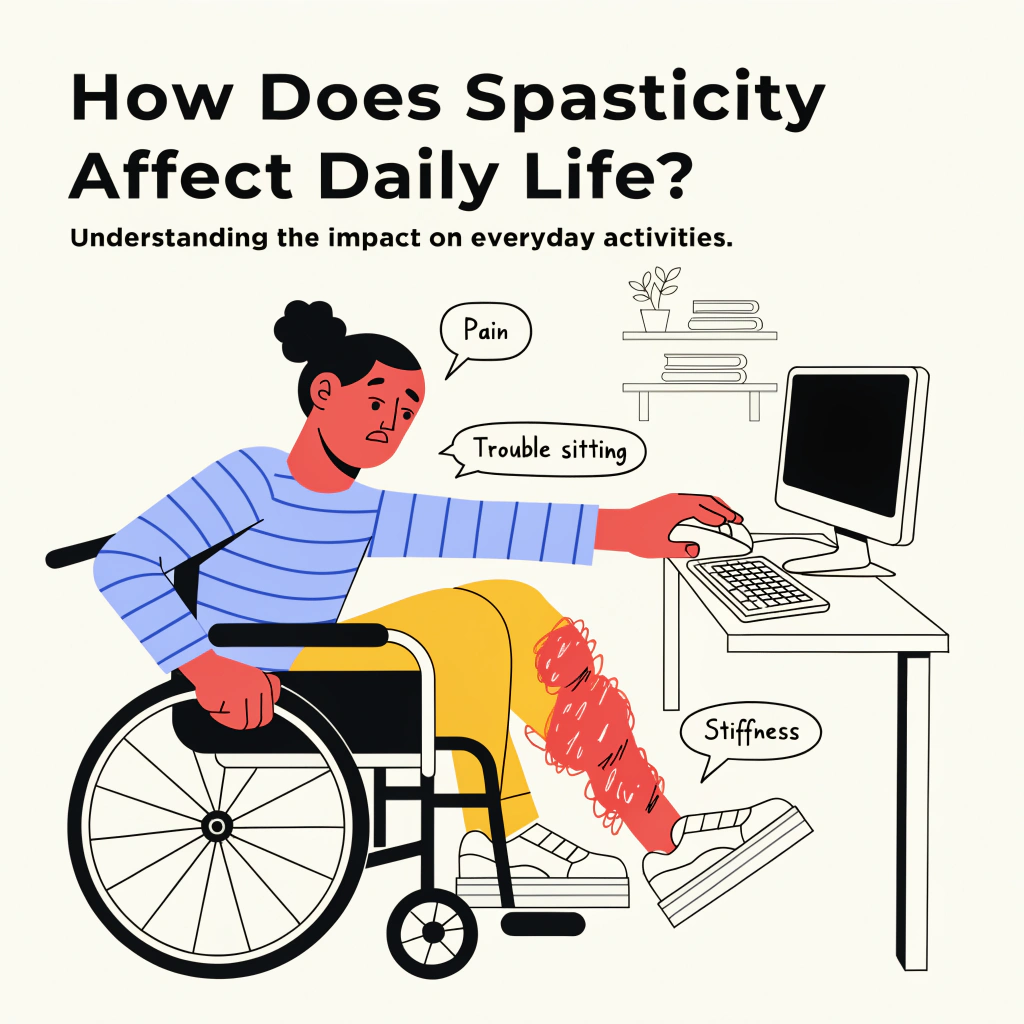
Based on the clinical evidence we reviewed, spasticity can affect many aspects of daily life. It may influence physical function, emotional well-being, independence, and social participation. According to the World Health Organization’s International Classification of Functioning, Disability and Health (ICF) framework, neurological conditions can impact body functions, daily activities, and participation in society.
We also found similar observations in reviews by Francisco and McGuire. Our research suggests that the severity of these effects depends on factors such as the degree of muscle stiffness, the underlying neurological condition, and how effectively the condition is managed. The most common ways spasticity affects adults are listed below.
- Mobility and Walking: Spasticity limits smooth muscle movement, making walking slower, less coordinated, and more energy-consuming. Many individuals require assistive devices for safe movement.
- Activities of Daily Living: Increased muscle tone can make dressing, bathing, eating, and writing difficult by reducing joint flexibility and voluntary motor control.
- Pain and Fatigue: Continuous muscle contraction often causes pain, muscle soreness, and fatigue, reducing comfort throughout the day.
- Work Productivity: Our review found that uncontrolled spasticity may decrease work productivity by limiting physical performance, reducing endurance, and increasing time away from work.
- Mental Health: Persistent physical limitations may contribute to frustration, anxiety, depression, and reduced confidence, particularly when symptoms interfere with independence.
- Social Relationships: Muscle stiffness and mobility problems may reduce participation in social activities, leading to isolation in some individuals.
- Effects in Men: In men, severe spasticity may interfere with physical work, recreational activities, and, depending on the underlying condition, aspects of sexual function.
- Effects in Women: In women, spasticity may affect household activities, childcare, mobility during pregnancy, and overall quality of life, although symptoms vary widely between individuals.
How is Spastic Muscle Paralysis Diagnosed?
We observed that diagnosis relies on identifying upper motor neuron involvement, assessing muscle tone, and determining the neurological condition responsible for the symptoms rather than using a single laboratory test. The main ways to diagnose spasticity are listed below.
- Medical History: Reviewing previous neurological diseases, injuries, medications, and symptom progression to identify possible causes of spasticity.
- Physical Examination: Evaluating muscle tone, reflexes, muscle strength, joint movement, and abnormal postures.
- Neurological Examination: Assessing upper motor neuron signs, coordination, sensation, balance, and voluntary movement.
- Modified Ashworth Scale: Measuring resistance during passive muscle movement to estimate the severity of muscle spasticity.
- Electromyography (EMG): Recording muscle electrical activity to differentiate spasticity from other movement disorders.
- Magnetic Resonance Imaging (MRI): Detecting brain or spinal cord abnormalities responsible for neurological damage.
- Additional Investigations: Blood tests or nerve studies help exclude other disorders when clinically appropriate.
Although DSM-5 criteria are valuable for diagnosing mental health disorders, they are not used to diagnose spasticity because spasticity is a neurological motor disorder. Our review found that the diagnosis is based on a neurological examination, as described in the clinical review by Pandyan et al. We also observed that early diagnosis and treatment can improve symptom control and help maintain daily function, although the underlying neurological condition often cannot be cured.
Are There Any Cures for Spasticity?
No, there is no permanent cure for spasticity because it usually develops after irreversible damage to the brain or spinal cord. However, our review of the literature, including the work of Barnes on the clinical management of spasticity, found that the condition is often treatable and manageable with appropriate therapy. With proper treatment, many individuals can improve their mobility, comfort, and independence.
While damaged nerve pathways cannot always be restored, evidence-based treatments can reduce excessive muscle tone, relieve painful spasms, improve joint movement, and help patients perform everyday activities more effectively. We reviewed current clinical guidelines and found that combining medication with physical rehabilitation generally provides better long-term outcomes than using medication alone.
Treatment plans are individualized according to the underlying neurological condition, symptom severity, affected muscles, age, and personal goals. Regular follow-up allows healthcare professionals to adjust therapy as symptoms change over time.
Our clinical findings suggest that early intervention, consistent rehabilitation, and adherence to prescribed treatment offer the best opportunity to maintain function and reduce disability, even though a complete cure is currently unavailable.
What are The Treatments of Spasticity?
The treatment of spasticity may include medications, rehabilitation therapies, targeted injections, assistive devices, and, in selected cases, surgery. Based on the clinical reviews by Barnes and Ward AB, we found that the most effective management usually combines multiple treatment approaches. This multidisciplinary approach helps reduce muscle stiffness, improve function, and enhance quality of life. The common treatments for spasticity are listed below.
- Baclofen: Baclofen is a muscle relaxant that activates GABA-B receptors within the spinal cord to reduce excessive muscle activity. It decreases muscle stiffness, improves movement, and relieves painful spasms in many individuals.
- Tizanidine: Tizanidine is a centrally acting alpha-2 adrenergic agonist that suppresses excessive nerve signals responsible for increased muscle tone. It helps reduce spasms. Thus, it improves comfort and functional mobility.
- Diazepam: Diazepam is a benzodiazepine that enhances GABA-mediated inhibition in the central nervous system. It reduces muscle spasms and stiffness, particularly in severe or short-term cases.
- Botulinum Toxin Injections: Botulinum toxin temporarily blocks acetylcholine release at the neuromuscular junction. This targeted treatment relaxes specific overactive muscles and improves limb function for several months.
- Physical Therapy: Physical therapy includes stretching, strengthening, balance, and mobility exercises. While reviewing the available evidence, we found findings consistent with the systematic review by Katalinic et al., showing that regular physical therapy helps preserve joint flexibility, improve mobility, reduce the risk of contractures, and support greater independence in daily activities.
- Occupational Therapy: Occupational therapy teaches adaptive techniques that help individuals perform everyday activities more independently despite muscle stiffness and movement limitations.
- Intrathecal Baclofen Pump: This implanted device delivers baclofen directly into the spinal fluid. It provides better symptom control with lower medication doses for severe generalized spasticity.
- Orthopedic Interventions: Orthopedic procedures correct muscle contractures, tendon shortening, or bone deformities when conservative treatments are no longer sufficient, improving long-term function and mobility.
However, treatment should always be individualized. We generally determine the most appropriate combination after evaluating symptom severity, neurological findings, and treatment goals.
Is Seeing a Doctor Necessary Before Taking Spasticity Medications?
Yes, seeing a doctor is necessary before taking spasticity medications because the symptoms may result from different neurological disorders that require accurate diagnosis and individualized treatment. Medical supervision helps ensure that medications are both safe and effective.
Before prescribing medication, we evaluate the cause of spasticity, the affected muscles, overall health, current medications, liver and kidney function when necessary, and the risk of potential side effects or drug interactions. We reviewed current clinical recommendations and found that regular follow-up is equally important, allowing treatment to be adjusted as symptoms improve or worsen over time.
What are the Best Medications for Spastic Muscle Paralysis?
The best medications for spastic muscle paralysis include several drugs that reduce excessive muscle activity through different neurological mechanisms. While reviewing the current evidence, we found findings consistent with recent reviews by Mills et al. and the European Academy of Neurology (EAN), indicating that medication selection should be individualized based on symptom severity, the underlying neurological condition, treatment goals, and the patient’s response to therapy. The medications for spasticity or spastic muscle paralysis are listed below.
- Baclofen: Baclofen is considered a first-line medication that decreases abnormal spinal reflex activity and reduces muscle stiffness.
- Tizanidine: Tizanidine is an alpha-2 agonist that lowers excessive nerve impulses responsible for increased muscle tone.
- Diazepam: Diazepam is a benzodiazepine that enhances GABA activity, helping reduce muscle spasms, stiffness, and discomfort.
- Dantrolene: Dantrolene acts directly on skeletal muscle by reducing calcium release, thereby decreasing excessive muscle contraction.
- Botulinum Toxin: Botulinum toxin is an injectable treatment that temporarily relaxes selected muscles affected by focal spasticity.
In reality, there is no single medication that is best for every patient. We often combine medication with rehabilitation to achieve better long-term outcomes.
How Does Diazepam Work on Spasticity?
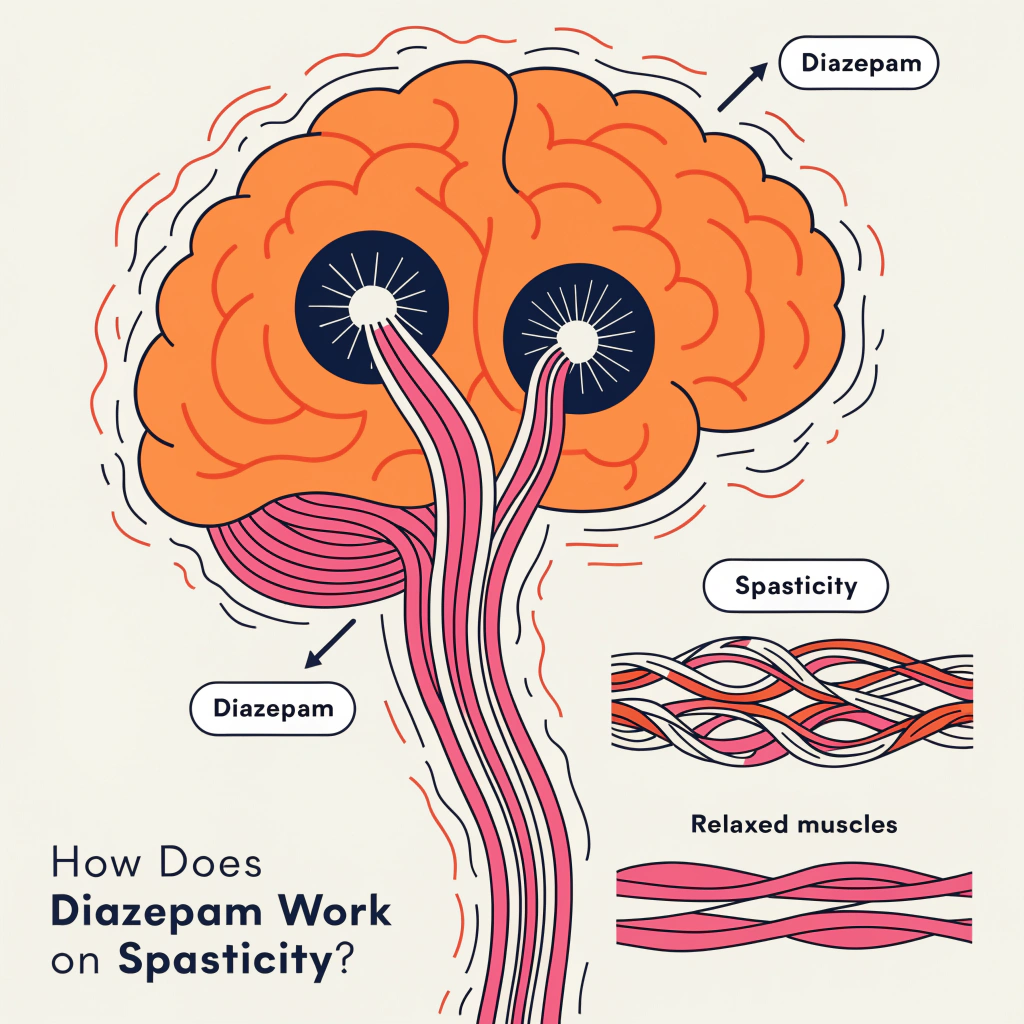
Yes, diazepam manages spasticity symptoms because it enhances the activity of gamma-aminobutyric acid (GABA), the brain’s primary inhibitory neurotransmitter. This reduces excessive nerve signalling that causes muscle stiffness and involuntary spasms. We reviewed the available pharmacological evidence, including the Royal College of Physicians’ guidance on adult spasticity management. We found that diazepam is particularly useful for individuals with severe spastic paresis, painful muscle spasms, or nighttime spasticity.
By enhancing GABA-mediated inhibition within the central nervous system, it helps relax overactive muscles, reduce discomfort, and improve sleep quality in appropriately selected patients. Diazepam is available as an oral tablet, oral solution, or injectable preparation for hospital use. Because prolonged use may lead to drowsiness, tolerance, and dependence, it is generally recommended for short-term treatment or carefully monitored long-term use when clinically necessary.
What are the Legal Ways to Buy Diazepam for Spasticity in the UK?
Based on the UK regulations we reviewed, diazepam is a prescription-only medicine and should only be obtained through authorised healthcare channels. The legal ways to buy diazepam for spasticity in the UK are listed below.
- NHS Prescription: Obtain diazepam after assessment by an NHS doctor or qualified prescriber.
- Private Prescription: Purchase diazepam from a registered pharmacy using a valid private prescription.
- Hospital Supply: Hospitals may dispense diazepam to admitted patients when clinically indicated.
- Registered UK Pharmacy: Pharmacies can supply diazepam only after verifying a legitimate prescription.
Buying medicines through licensed healthcare providers helps ensure product quality, correct dosing, and appropriate medical supervision while reducing the risk of counterfeit medicines.
Is It Permissible to Buy Diazepam for Spasticity in the UK Without a Prescription?
You generally can’t buy diazepam for spasticity without a prescription in the UK because diazepam is legally regulated as a Class C, Schedule 4 controlled drug and a prescription-only medicine. These regulations ensure that the medication is prescribed safely and only when clinically appropriate.
Our review of UK prescribing guidance found that healthcare professionals evaluate a patient’s symptoms of spasticity, neurological examination, medical history, and the causes of their condition before deciding whether diazepam is appropriate. Since diazepam can cause drowsiness, dependence, tolerance, and drug interactions, professional monitoring is essential throughout treatment.
In certain emergencies or under special legal arrangements, healthcare professionals or hospital services may provide access to buy diazepam without the usual community prescribing process. However, these exceptional circumstances do not mean that the general public can legally buy diazepam over the counter without a prescription.
Finally, we can say that anyone experiencing persistent muscle stiffness or other types of spasticity should seek medical evaluation rather than attempting to buy diazepam without professional guidance. Only an expert can determine the underlying cause and recommend the most suitable treatment plan.